GENERAL
These are the freight insurance questions Australian shippers ask most often, answered in plain English: what is covered, how premiums are worked out, what is excluded, how to claim and when to review your policy. Whether you are new to international trade or reviewing existing cover, understanding the fundamentals helps you avoid gaps in cover and costly claim disputes.
1. What risks does freight insurance cover?
Freight insurance typically covers physical loss or damage in transit from external causes, subject to the policy terms, conditions and exclusions. This can include:
- transport accidents and collisions
- theft and pilferage during transit
- natural disasters affecting cargo
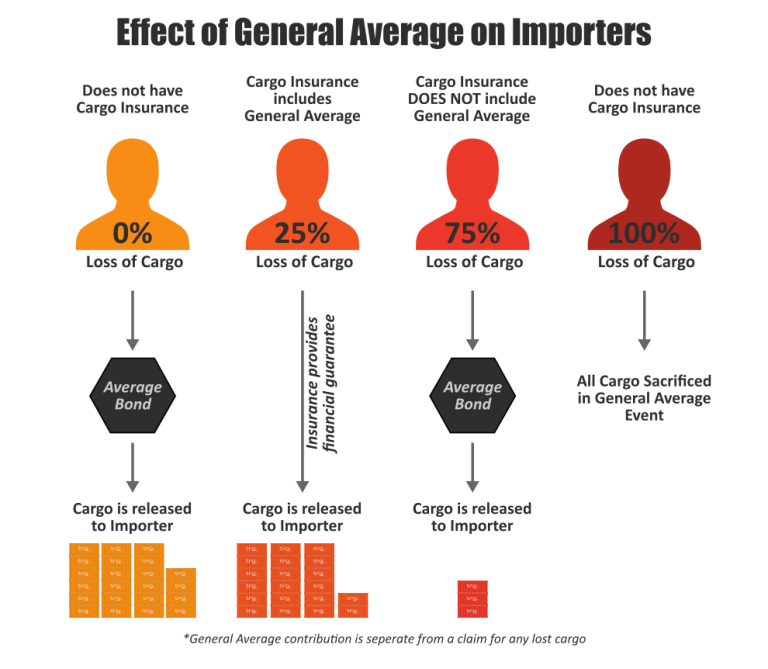
- general average contributions in marine transport
Loading and unloading risks are covered only if a loading extension applies or is included in your policy schedule.
2. How is my premium calculated?
Premiums reflect your shipment and business profile. The main factors are cargo value, commodity type, packaging quality, transport mode, route and your claims history.
3. What is excluded from standard policies?
Common exclusions include inherent vice (natural deterioration), improper or insufficient packaging, delay-related losses, war, strikes and civil commotion, nuclear risks, and consequential losses or loss of market.
4. Should I choose full-value cover or rely on carrier liability?
Carrier liability is often limited and rarely reflects the actual value of your cargo. Full-value insurance can cover replacement cost without weight-based limits. Learn more in our carriers liability FAQs.
5. How do I make an effective insurance claim?
Prompt, well-documented claims lead to faster settlements. Notify your broker or insurer immediately, preserve damaged goods for inspection, take detailed photos, gather all relevant documents and cooperate with adjusters and surveyors. Start on our claims page. If a claim is disputed, you can lodge an internal complaint through your broker and, if it is not resolved, you may be able to escalate it to the Australian Financial Complaints Authority (AFCA). See our dispute resolution page for details.
6. Am I covered during multi-modal transport?
Many policies provide “warehouse to warehouse” cover, protecting goods through the whole journey even when the transport mode changes. This matters for Australian exporters who combine road, rail and sea.
7. Can I reduce my premium costs?
- improve packaging standards and documentation
- use GPS tracking and security measures
- maintain a good claims history
- consider annual transit insurance for regular shipments
- work with an experienced freight insurance broker
8. What is the difference between marine and transit insurance?
Marine insurance covers goods during sea transport and, depending on the policy, can extend to related activities such as discharge and temporary storage. Transit insurance typically covers domestic movement by road, rail or air within Australia.
9. Can I arrange cover online?
Yes. You can request a cargo and transit insurance quote online. Complex or high-value shipments may still need a broker’s advice.
10. When should I update my policy?
Review your cover when your cargo types or values change, when you add routes or destinations, when you ship more often, after changes in claims experience, and at each annual renewal.
When should you get professional advice?
Complex shipping scenarios benefit from broker expertise. Freight Insurance Services International (FIS International) is an Australian insurance broker based in Moorabbin, Melbourne. Learn more about our team or call 1800 656 836.
Frequently Asked Questions
Do I need to declare each shipment under an annual policy?
It depends on the policy. Many annual policies are rated on your estimated yearly shipments and reviewed at renewal, while others require periodic declarations. Your policy schedule sets out what you need to report and when.
Can freight insurance cover duties and GST?
Duties and taxes can be included in the insured value where the policy allows, so a total loss reflects your full landed cost. Tell us how your goods are valued when you quote.
What happens if my goods are only partly damaged?
The insurer typically pays the cost of repair or reconditioning, or the proportion of value lost, rather than the full value. Any salvage value may be taken into account, so keep the goods available for inspection.
This information is general in nature and does not take into account your objectives, financial situation or needs. Please read the policy wording and our Financial Services Guide before deciding.